Water access
is a basic right.
A city can be surrounded by water and still leave people without a safe supply.
For families in Mumbai’s underserved communities, the problem is about both availability and quality. Polluted sources and unreliable supply can turn an everyday necessity into a daily difficulty.
Children need safe water to stay healthy and take part in school. Our work brings together practical support and the knowledge to care for local water sources.
people globally lacked safely managed drinking water in 2024.
WHO / UNICEF, August 2025 ↗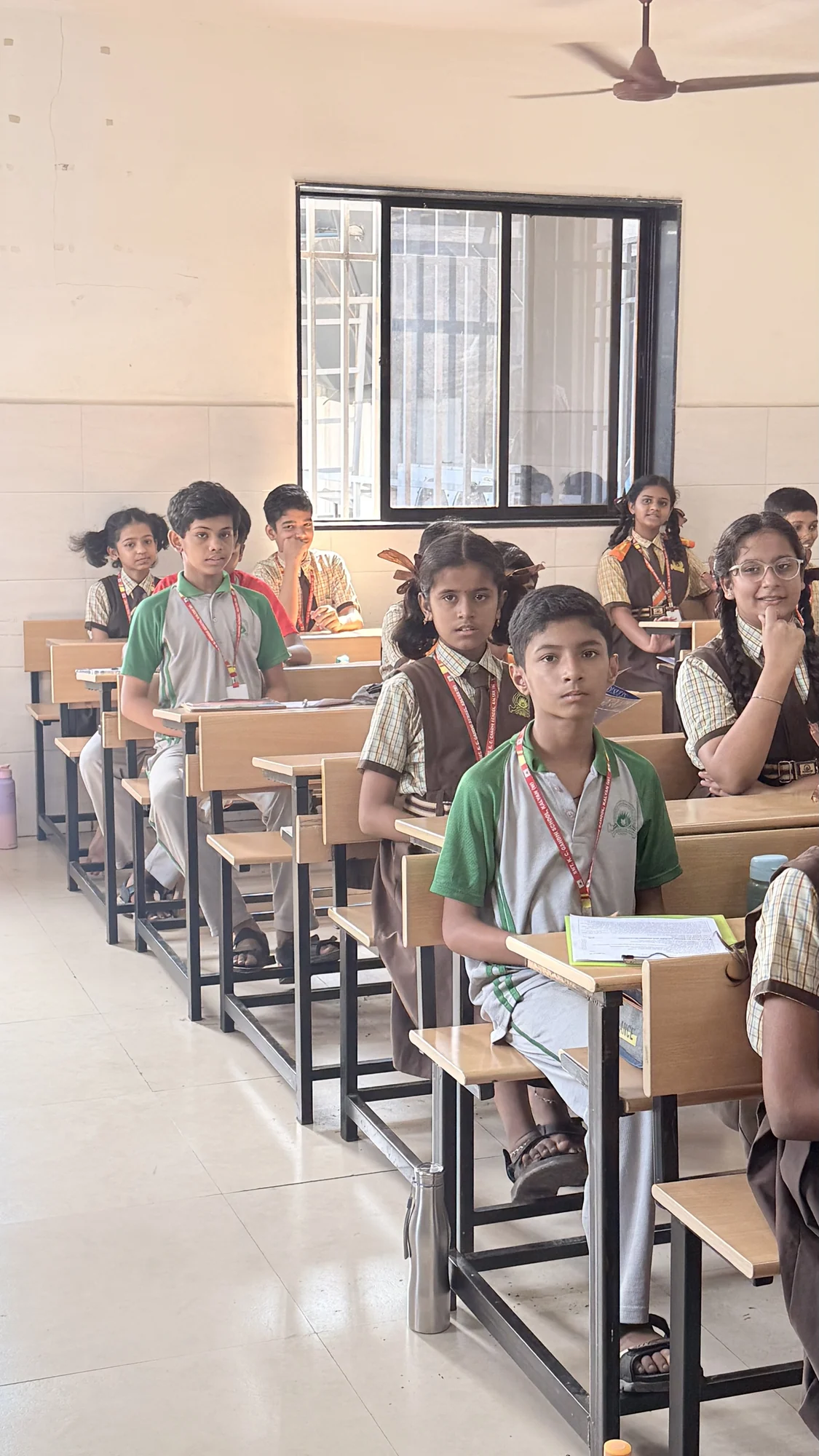
The gap within Mumbai.
The Praja Foundation report cited by the original project website describes a sharp difference in daily supply: 135 litres per person in non-slum areas, compared with 45 litres in slum areas. Families may then depend on alternative sources whose quality is uncertain.
Globally, 961 million people gained safely managed drinking-water access between 2015 and 2024. But progress remains uneven: the WHO and UNICEF report says low-income countries need a sevenfold increase in their current rate of progress to reach the 2030 goal. Water equity is part of Sustainable Development Goal 6.
A practical
response.
Education, research, and water access inform one another.
Make knowledge accessible
+
Two original six-part books introduce sustainability, biodiversity, chemical runoff, and ways to protect local environments. They give teachers and students a place to begin.
Read the books ↗Learn with the community
+
Practical school workshops make room for questions, experiments, and discussion. Students can connect the science to their own surroundings.
Inside the workshops ↗Support access to safe water
+
The capital campaign raised ₹50,000 for the school partner. Blue Horizon brings the focus back to access through water purification device distribution.
See the project’s progress ↗Support the work.
Support water access, share a resource, or bring environmental science into the classroom.
Get involved